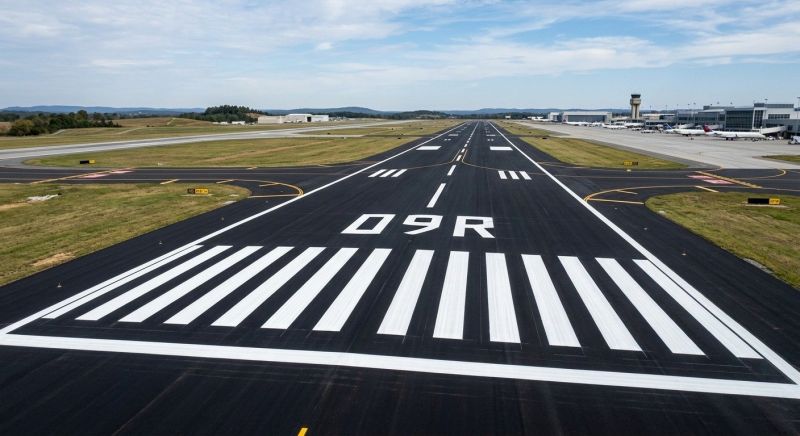
Airport Paving in Little Rock, AR
Airport paving services encompass the installation, repair, and maintenance of paved surfaces around airport facilities, including runways, taxiways, aprons, and parking areas. These projects typically involve preparing the ground, laying durable asphalt or concrete, and ensuring proper grading and drainage to support the safe movement of aircraft and vehicles. Property owners considering airport paving should understand the scope of the project, the materials used, and the importance of proper surface preparation to ensure longevity and safety.
Before requesting airport paving services, property owners usually want to clarify the specific requirements of their site, such as size, traffic volume, and environmental conditions. It’s also important to consider any local regulations or standards that might influence the project. Understanding these factors helps ensure the paving work meets safety standards and provides a reliable surface for aircraft operations and ground support activities.
Many property owners in Little Rock, AR look into Airport Paving for repairs, replacements, upgrades, and appearance-related improvements.
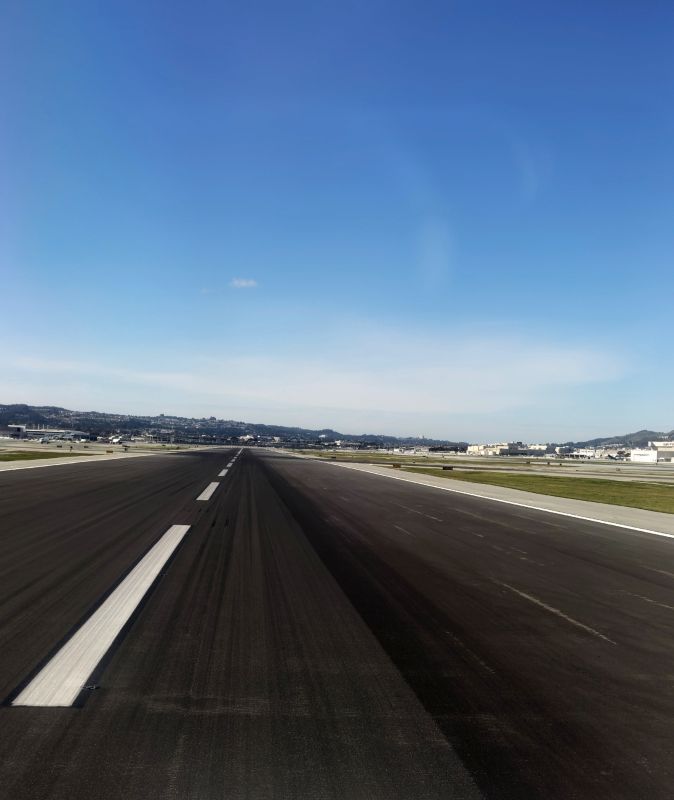
Commercial Airport Paving
Ensuring durable and smooth surfaces for airport runways and taxiways in little rock, ar.
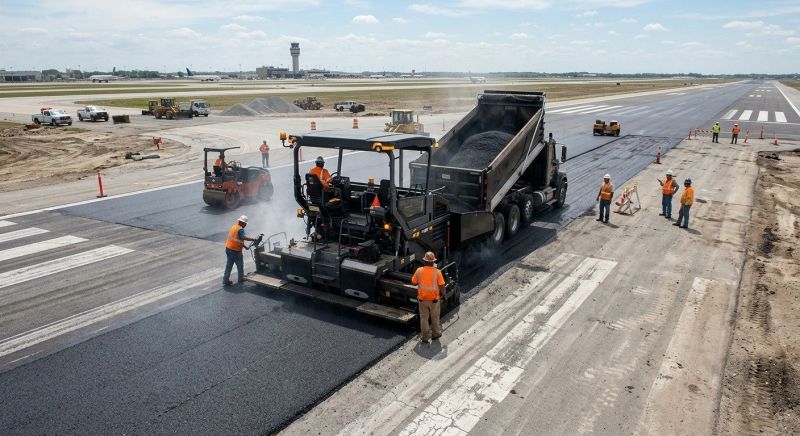
Private Airport Runways
Creating reliable and safe paving solutions for private airstrips and aviation facilities.
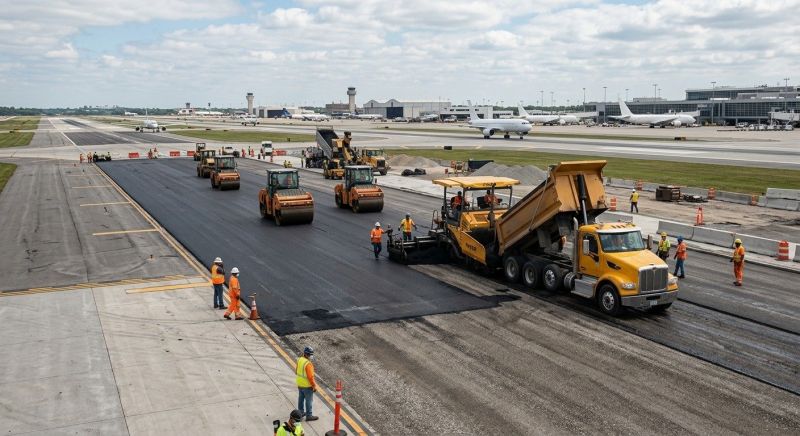
Airport Pavement Maintenance
Providing ongoing repair and resurfacing to extend the lifespan of airport pavement surfaces.
Airport Paving in Little Rock, AR

Airport paving services encompass the installation, repair, and maintenance of paved surfaces around airport facilities, including runways, taxiways, aprons, and parking areas. These projects typically involve preparing the ground, laying durable asphalt or concrete, and ensuring proper grading and drainage to support the safe movement of aircraft and vehicles. Property owners considering airport paving should understand the scope of the project, the materials used, and the importance of proper surface preparation to ensure longevity and safety.
Before requesting airport paving services, property owners usually want to clarify the specific requirements of their site, such as size, traffic volume, and environmental conditions. It’s also important to consider any local regulations or standards that might influence the project. Understanding these factors helps ensure the paving work meets safety standards and provides a reliable surface for aircraft operations and ground support activities.
Many property owners in Little Rock, AR look into Airport Paving for repairs, replacements, upgrades, and appearance-related improvements.
Common Airport Paving Jobs
Airport paving services involve constructing durable runways and taxiways for aircraft operations.
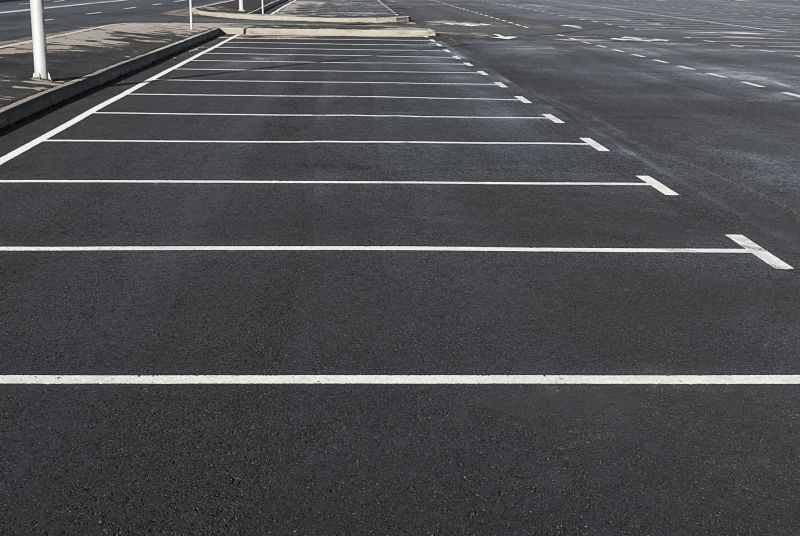
Asphalt paving provides a smooth, long-lasting surface for airport aprons and parking areas.
Concrete paving ensures stability and strength for high-traffic airport zones.
Resurfacing and repairs help maintain safe and functional airport surfaces over time.
Drainage installation is essential for preventing water accumulation and protecting pavement integrity.
Line striping and markings improve safety and navigation for aircraft and ground vehicles.

Airport Paving Questions
What types of paving projects are common for airports? Common airport paving projects include runways, taxiways, aprons, and parking areas to ensure safe and efficient aircraft movement.
How does airport paving improve safety? Proper paving provides a smooth, even surface that reduces the risk of accidents and facilitates safe aircraft operations.
What materials are typically used for airport paving? Asphalt and concrete are the primary materials used for airport paving due to their durability and strength.
Why is proper drainage important in airport paving? Effective drainage prevents water accumulation on the surface, helping to maintain pavement integrity and safety during weather events.
Request Airport Paving in Little Rock, AR
Use the quote form on this page to share the basics of your project and request more information for the type of work you need.